Tag: computer graphics
Computer Graphics Firms Are Scoring Big with the Latest SEO Tool Deals

More than 60% of creative agencies say online visibility determines their client conversions. For computer graphics firms, this fact hits harder than ever. A stunning portfolio is no longer enough to stay ahead. What matters is how well that creativity reaches an audience online, and that’s where SEO tools come in. These tools give designers and visual storytellers the visibility they need to shine beyond their artboards.
Smaller agencies are especially benefiting from one particular innovation, the SEO tool deal. It allows them to access powerful analytics and keyword tools without draining budgets on high-end subscriptions. For digital artists running boutique studios, this is a game changer. It means more time refining their art and less time worrying about monthly costs. With this approach, even small players can now compete with established firms in online rankings.
The Growing Role of SEO in Computer Graphics
Design-driven businesses once relied heavily on word-of-mouth or creative showcases to find clients. Today, that approach has shifted to the web. A computer graphics firm must rank well on search engines to attract new collaborations and contracts. Whether they’re offering 3D modeling, animation, or motion graphics, appearing on the first page of results makes a major difference in how potential clients perceive credibility.
With better SEO, a studio can turn casual visitors into loyal customers. Think of SEO as digital framing for your artwork, it presents your talent in the best possible light. It helps agencies understand what clients search for, what terms resonate, and how to adapt their content strategy. And when this data comes affordably through a group purchase or shared access, the value multiplies.
How SEO Tool Deals Are Changing the Game
Traditional SEO software subscriptions can be expensive, especially for start-ups and freelancers. Monthly costs often run into hundreds of dollars. The emergence of SEO tool deals has made premium data and keyword insights accessible to creative professionals on tighter budgets. This model works through group access, letting multiple users share a single premium account at a fraction of the cost.
- Affordable insights: Firms get keyword research and backlink analysis using tools such as backlinks monitor platforms without full subscription costs.
- Collaboration made easy: Multiple team members can work together on campaigns.
- More creative freedom: Lower costs mean more funds can go toward production, design, or client engagement.
These deals don’t just save money, they level the playing field. When a small graphics team has access to the same analytics tools as a global agency, skill and creativity become the real differentiators. This pushes the industry toward fairer competition based on quality work rather than budget power.
Practical Ways Graphic Firms Can Use SEO Tools
For computer graphics professionals, SEO tools do more than just track rankings. They provide insights into content creation, website optimization, and audience behavior. Here’s how studios are using them:
- Portfolio optimization: Using keyword insights to title and describe works so they show up in relevant searches.
- Blog content strategy: Writing about trends in animation or design techniques based on what users search for most.
- Competitor analysis: Identifying which design firms rank highest and learning from their content strategies.
- Client reporting: Providing data-backed reports to show how visual content boosts client visibility.
One agency owner described it best: “The right SEO tools give our creative projects a louder voice. It’s like giving your designs a megaphone on the internet.” Such feedback echoes throughout the design community, where visibility has become as crucial as artistic talent.
The Competitive Edge for Creative Agencies
By embracing cost-effective solutions like the SEO tool deal, creative firms are redefining their digital presence. They no longer depend on expensive agencies or consultants to get found online. Instead, they’re taking control of their visibility, fine-tuning strategies, and crafting content that resonates with potential clients.
SEO tools bring measurable results. A boost in website ranking leads to more organic traffic. Better traffic leads to inquiries, and inquiries often turn into contracts. For visual agencies, this chain reaction translates directly into growth. When analytics and artistry align, the result is both beautiful and profitable.
Final Thoughts: Creativity Meets Strategy
The fusion of creativity and analytics is reshaping the future of computer graphics. As the competition intensifies, every design firm, large or small, must find smarter ways to stay visible online. Affordable access through an SEO tool deal makes that possible. It empowers studios to channel data-driven insights into artistic strategies without compromising their budgets.
By mastering both visual storytelling and SEO strategy, modern graphics firms are scoring big. And that success isn’t just measured in pixels or followers, it’s reflected in growth, recognition, and long-term creative impact.
10 Computer Graphics Tricks That Make Your Social Media Posts Go Viral

The focus and impact visually often dictate the levels of success attained on social media. As users scroll through their feeds, beautifully crafted and vivid computer graphics stand the chance of transforming them from passive scrollers into active followers.
Creators are able to attribute the sharp visuals to a remarkable follower boost. It is, indeed, evident that visuals are the lifeblood of digital impact. In this part, we will discuss computer graphics techniques that capture viewer attention and facilitate rapid circulation that focuses on attention.
1. Master The Dynamic Lighting
The combination of lighting and a computer-generated image is capable of elevating an image into a cinematic work of art. Master light and its associated shadow as well as the vibrant colors that are made in the computer graphics world to focus attention on specific details. Engagement time from the viewers is encouraged when a post has a clear focal point that is creatively and artfully lighted.
2. Incorporate Subtle Motion Effects
A motion effect captured is capable of bringing a static design to life. For instance, the slow motion and their reflections. The same as TikTok, social platforms prioritize motion over static; therefore, there is a chance that the post will get recommended and distributed.
3. Play With Hyperrealistic Textures
The perception and interactivity levels of computer-generated images are determined by their resolution and texture. Like, glossy textures, realistic or hyperrealistic textures are capable of adding vivid details that will make the users stop and appreciate the design. Visuals that are tangibly realistic often foster curiosity, thus amplifying the post’s circulation.
4. Leverage Color Influences for Your Benefit
Different hues can provoke certain feelings. Warm colors, such as red and orange, tend to energize viewers, while blues and purples are more calming and trustworthy. Furthermore, utilizing color theory in your computer graphics can help sharpen the mood of your content while leaving a lasting impression.
5. Highlight Dimension with Layers
Your visuals can tell three-dimensional stories by using depth of field and layered components. This technique helps your designs appear more dynamic and thus feel more engaging and immersive, which can increase retention rates on visually driven platforms.
ALSO READ: 4 Ways Musician Website Builders Are Revolutionizing Real-Time Graphics Rendering
6. Include Trendy 3D Elements
Trends are a staple of social media. Integrating 3D computer-generated props or abstract social media graphics, such as holographic textures or surreal landscapes, can boost shareability and appeal as they align with current aesthetics. Visuals that are awareness-oriented tend to do well with algorithmic feeds.
7. Focus On Simple Composition
While every post is important, with social media, the best results can stem from clean designs. Simple, uncluttered designs with a single subject focus tend to outperform visually busy designs. Negative space helps the visually busy element stand out and is more crucial on mobile devices, where attention spans are shorter.
8. Develop Continuous Loopable Animations
With the advent of readily sharable content, loop animations have become increasingly important. Users are more likely to engage with and rewatch content if computer-generated animations flow continuously without any noticeable cuts. This increases the content’s performance metrics and enhances algorithmic preferencing.
9. Make Use of Photorealistic Renders for Products
Photorealistic renders are a useful tool for deepening the brand image of a business or a creator. It offers an easy and less expensive alternative to physical photography while delivering polished marketing materials. With computer graphics, brands are now able to market with precision and detail, showcasing items as polished as for premium campaigns.
10. Try Visual Storytelling
Graphics that tell micro-stories tend to engage more with the target audience as compared to purely aesthetic designs. These visual narratives in the form of moving characters, visual metaphors, or animations tend to garner more comments and shares, which, in turn, makes the content spreadable across social media.
Conclusion
Brands and creators can now engage their audiences with scroll-stopping visuals, made easy with computer graphics. Various techniques, from lighting mastery to photorealistic renders, can enhance engagement. With the right strategy, posts may even go viral. Adopting all ten techniques will ensure content remains impactful and keeps audiences actively engaged while standing out in cluttered feeds.
AI for Everyone makes Advanced Simulations Easy
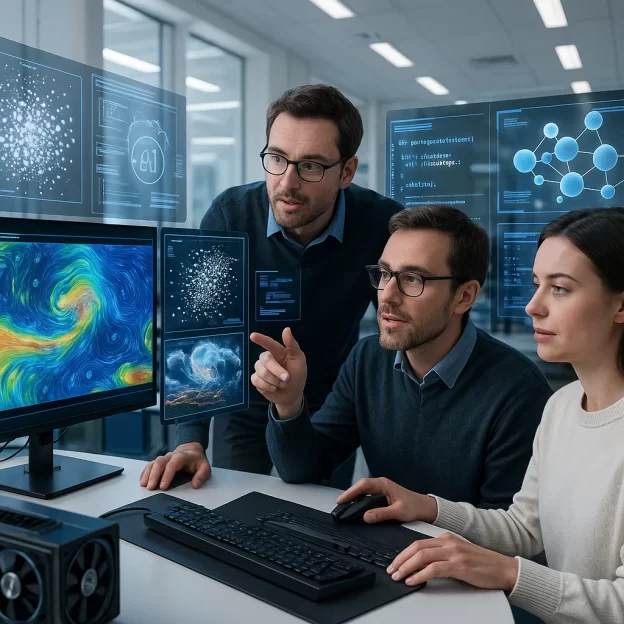
AI for everyone represents a revolutionary shift in accessibility to sophisticated technology that was once reserved for specialists and large corporations. Modern artificial intelligence platforms democratize complex computational processes. This makes advanced simulation capabilities available to educators, researchers, and creative professionals regardless of their technical background. AI being accessible to everyone is focused on user-friendly interfaces, comprehensive documentation, and community support systems that enable widespread adoption.
These platforms integrate machine learning algorithms with intuitive design tools, allowing users to create sophisticated simulations without extensive programming knowledge. The accessibility of AI transforms how individuals and organizations approach complex problem-solving, visualization, and predictive modeling across diverse industries and academic disciplines.
Real-Time Rendering and Physics Simulation

Computer graphics technology has evolved dramatically to support real-time rendering of complex environments and physics-based simulations. Modern graphics processing units leverage parallel computing architectures. As a result, it becomes capable of calculating millions of interactions simultaneously, creating realistic visual representations of natural phenomena.
Advanced lighting models, particle systems, and fluid dynamics algorithms produce stunning visual effects that accurately represent physical behaviors.
Ray tracing technology simulates light behavior with unprecedented accuracy, creating photorealistic images and animations that blur the line between virtual and reality.
These rendering capabilities enable researchers to visualize complex data sets, test hypotheses, and communicate findings through compelling visual narratives.
Machine Learning Integration in Simulation Design
Artificial intelligence enhances simulation accuracy through predictive modeling and pattern recognition capabilities that traditional methods cannot achieve. Machine learning algorithms analyze vast datasets to identify various elements from:
- Trends
- Optimize parameters
- Predict outcomes
All these are done with remarkable precision. Neural networks trained on historical data can generate realistic scenarios, weather patterns, and behavioral models that improve simulation fidelity.
Deep learning techniques enable simulations to adapt dynamically to changing conditions, creating more responsive and realistic virtual environments. These AI-driven approaches reduce computational overhead while increasing simulation complexity and accuracy.
Applications Across Industries and Research
Advanced simulation technology finds applications in aerospace engineering, medical research, entertainment, and environmental modeling. Automotive manufacturers use computer graphics simulations to test vehicle designs under various conditions before physical prototyping.
Medical professionals employ simulation platforms to practice complex procedures, train students, and develop new treatment protocols. Climate researchers utilize advanced simulations to model global weather patterns, predict environmental changes, and assess the impact of human activities on ecosystems.
RedKarmas and the Evolution of GPUs in Computer Graphics
The digital world thrives on engagement, and platforms like RedKarmas have transformed how users interact by offering a seamless way to boost Reddit karma. As online credibility becomes increasingly significant, users seek ways to enhance their visibility on discussion platforms. However, while social engagement is evolving, so is the technology powering digital experiences.
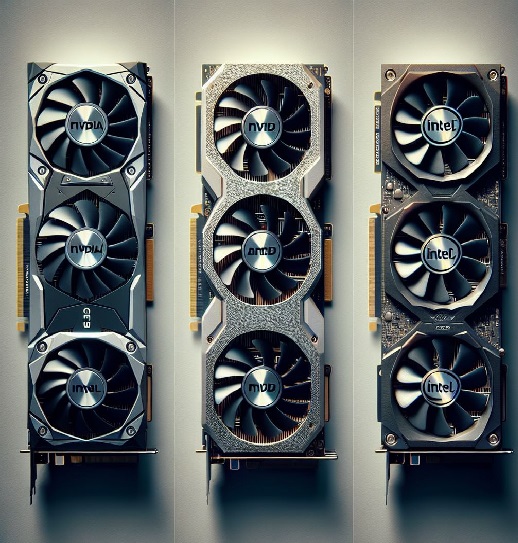
One such advancement is the role of graphics processing units (GPUs) in shaping modern computer graphics. From gaming and visual effects to artificial intelligence, GPUs have revolutionized how we perceive and interact with digital content.
Why is the Role of GPUs Important in Visual Processing?

GPUs are specialized processors designed to handle complex graphical computations with efficiency. Unlike traditional central processing units (CPUs), which manage various computing tasks, GPUs excel at rendering images, animations, and videos in real time. Industries such as gaming, film production, and even architecture rely heavily on high-performance GPUs to generate lifelike visuals and immersive experiences.
The rapid evolution of GPU technology has led to stunning advancements in rendering techniques, including ray tracing and AI-enhanced image processing. These improvements have elevated not just entertainment but also practical applications like medical imaging and scientific simulations.
RedKarmas and GPU-Powered Digital Experiences
The demand for visually appealing content in online communities aligns with the growing reliance on powerful GPUs. Platforms like RedKarmas.com enable users to establish credibility in digital discussions, and behind every engaging post, high-quality images, and videos, there is a GPU ensuring seamless performance.
Social media content creators, streamers, and even businesses benefit from cutting-edge GPUs to maintain engaging, high-resolution visuals that capture audience attention.
The integration of GPUs into content creation tools and real-time rendering software has significantly improved efficiency, allowing users to produce compelling graphics effortlessly.
Future Trends in GPU Development and Graphics Innovation
The future of computer graphics is set to be even more dynamic, with GPUs advancing toward more efficient and AI-driven capabilities. Technologies such as deep learning, real-time ray tracing, and cloud-based rendering continue to push the boundaries of what is possible in visual computing.
With the development of energy-efficient and more powerful GPU architectures, industries will see increased productivity, enhanced virtual reality experiences, and improved digital simulations. As these innovations unfold, the reliance on GPUs will only intensify, further bridging the gap between digital engagement and immersive visual storytelling.
NerdUsed.com and the Art of Computer Graphics
NerdUsed showcases how technology and innovation can transform digital interactions, enhancing user experiences. Similarly, computer graphics are crucial in turning digital data into visually captivating imagery. Whether in video games or movie animations, computer graphics significantly boost the quality and impact of digital content, reflecting the dynamic progress in digital engagement.
The Evolution of Computer Graphics

Computer graphics began in the 1950s with basic shapes and limited colors, laying the foundation for future developments. By the 1980s and 1990s, 3D rendering and animation advances revolutionized the field. High-definition textures, realistic lighting, and sophisticated rendering techniques are standard today. Introducing graphics processing units (GPUs) has enabled real-time rendering and high-performance computing, producing hyper-realistic visuals and interactive experiences previously unimaginable.
Applications in Entertainment and Media
One of the most visible computer graphics applications is in the entertainment industry. Video games, movies, and TV shows depend on advanced graphics to captivate audiences. Detailed textures, dynamic lighting, and smooth animations make gaming worlds and characters immersive. CGI is essential for visual storytelling in film and TV, allowing for scenes and effects that would be otherwise too costly or impossible.
From epic space battles to magical creatures, CGI fuels boundless creativity and innovation.
The Impact on Design and Visualization
Computer graphics extend beyond entertainment into several professional fields. In architecture and engineering, they allow for the design and visualization of structures before construction begins, with 3D models helping clients refine designs and improve accuracy. In medicine, detailed anatomical images produced by technologies like MRI and CT scans assist doctors and surgeons in planning and performing procedures, enhancing diagnostics and treatment strategies.
NerdUsed.com and Emerging VR/AR Technologies
Looking ahead, the future of computer graphics promises even more exciting advancements. Occurring technologies like virtual reality (VR) and augmented reality (AR) are transforming our digital experiences. VR offers immersive environments, while AR overlays digital elements in the real world. Artificial intelligence (AI) advances are also enhancing computer graphics by automating tasks and boosting visual realism.
Computer graphics have transformed how we perceive and interact with digital content, blending artistry with technological innovation. Computer graphics have constantly pushed boundaries from its humble beginnings to its current sophistication. Future advancements in VR, AR, and AI are set to expand digital imagery, opening up endless creative possibilities.
Startup Books for Innovators in Computer Graphics

Aspiring entrepreneurs in the Computer Graphics industry seek guidance from seasoned pioneers and proven methodologies documented in books. Startups No Filter book reviews offer a treasure trove of insights, illuminating the path to launching and scaling a thriving business in this ever-evolving field. Two standout works, “Founders at Work” by Jessica Livingston and “Sprint” by Jake Knapp, John Zeratsky, and Braden Kowitz, stand as pillars of wisdom, offering invaluable lessons from successful entrepreneurs.
Founders at Work by Jessica Livingston
“Founders at Work” serves as a beacon for those venturing into the tumultuous waters of entrepreneurship within computer graphics. Jessica Livingston, through a series of engaging interviews, peels back the curtain on the journeys of startup founders, revealing the trials, tribulations, and triumphs they encountered along the way.
- Insider Stories: Livingston’s meticulous curation of interviews provides readers with an intimate glimpse into the experiences of founders from esteemed companies. These firsthand accounts offer a raw and unfiltered perspective, shedding light on the challenges faced and the strategies employed to surmount them.
- Lessons Learned: Embedded within each narrative are valuable lessons waiting to be unearthed. Whether it’s navigating the complexities of product development or forging strategic partnerships, the insights gleaned from “Founders at Work” equip readers with practical knowledge essential for steering their ventures toward success.
- Diverse Perspectives: From scrappy startups operating out of garages to industry titans commanding global influence, “Founders at Work” showcases a mosaic of entrepreneurial journeys. This diversity of experiences ensures that readers, regardless of their background or aspirations, find resonance and relevance in the anecdotes shared within its pages.
Sprint by Jake Knapp, John Zeratsky, and Braden Kowitz
In the fast-paced world of computer graphics, where innovation is the lifeblood of progress, “Sprint” emerges as a guiding light for entrepreneurs seeking to accelerate their journey from idea to execution. Authored by Jake Knapp, John Zeratsky, and Braden Kowitz, this seminal work presents a pragmatic blueprint for tackling complex problems and testing novel concepts within a condensed timeframe.
- Rapid Prototyping: At the heart of “Sprint” lies a systematic approach to rapid prototyping and validation. By condensing the traditional product development timeline into a mere five days, the book empowers computer graphics startups to swiftly iterate, refine, and validate their ideas, thereby minimizing time-to-market and maximizing impact.
- Cross-Functional Collaboration: Recognizing the synergistic power of diverse perspectives, “Sprint” advocates for cross-functional collaboration as a catalyst for innovation. Through structured workshops and collaborative exercises, the book facilitates the convergence of minds from varied disciplines, fostering an environment conducive to creative problem-solving and ideation.
- User-Centric Approach: Central to the ethos of “Sprint” is a relentless focus on the end user. By prioritizing empathy and understanding, the book implores computer graphics entrepreneurs to design solutions that resonate deeply with their target audience. This user-centric approach not only enhances product-market fit but also cultivates long-term customer loyalty and satisfaction.
READ ALSO: The Potential of 3D Modeling and Animation
Conclusion
“Founders at Work” and “Sprint” stand as beacons of wisdom amidst the vast sea of startup literature, offering invaluable guidance to innovators in the field of computer graphics. By delving into the rich tapestry of experiences shared within these pages and embracing the proven methodologies elucidated therein, aspiring entrepreneurs can navigate the turbulent waters of startup life with confidence and clarity, charting a course toward sustainable growth and enduring success.
How Computer Graphics Shape IPTV Subscriptions in Germany

Computer graphics technology is transforming the landscape of IPTV subscriptions in Germany. As the demand for high-quality content continues to rise, the integration of advanced graphics plays an important role in enhancing the viewing experience for subscribers. From personalized recommendations to virtual reality integration, let’s explore how graphics technology can change IPTV viewing experience.
Enhancing the Viewing Experience
With the best IPTV subscription in Germany (iptv kaufen), subscribers can expect an immersive viewing experience like never before. Here’s how computer graphics are shaping the future of IPTV:
- Personalized Recommendations: Computer graphics algorithms analyze viewer preferences and behaviors to provide personalized content recommendations. This ensures that subscribers are presented with shows and movies tailored to their interests, leading to a more enjoyable viewing experience.
- Dynamic User Interfaces: Advanced graphics enable the creation of dynamic user interfaces that are visually appealing and easy to navigate. From interactive program guides to customizable viewing options, subscribers can effortlessly find and access their favorite content.
- High-Quality Visuals: With the advancement of graphics technology, IPTV services can deliver high-quality visuals, including crisp images and smooth animations. This elevates the overall viewing experience, making every moment on screen more engaging and immersive.
Interactive Features and Engagement
Beyond passive viewing, computer graphics in IPTV subscriptions are driving interactive features that enhance viewer engagement:
- Virtual Reality Integration: Virtual reality (VR) is emerging as a game-changer in the IPTV industry. By integrating VR technology with computer graphics, subscribers can immerse themselves in virtual environments, such as virtual cinemas or interactive gaming experiences, right from their living rooms.
- Enhanced Sports Viewing: Graphics technology enables IPTV services to offer enhanced sports viewing experiences, such as real-time statistics overlays, multiple camera angles, and interactive replays. These features add depth and excitement to sports broadcasts, keeping viewers engaged throughout the game.
- Social Sharing and Interactivity: Interactive graphics allow viewers to engage with content in new ways, such as live polls, social media integration, and real-time chat functionalities. This fosters a sense of community among subscribers and encourages social sharing of favorite moments.
The Future of IPTV in Germany
As technology continues to evolve, the future of IPTV subscriptions in Germany looks promising with the integration of computer graphics:
- Augmented Reality Experiences: Augmented reality (AR) is poised to transform the way viewers interact with IPTV content. Imagine overlaying relevant information or interactive elements onto the screen during news broadcasts or educational programs, enhancing understanding and engagement.
- Hyper-Personalization: With advancements in machine learning and artificial intelligence, IPTV services will offer hyper-personalized experiences based on individual preferences, habits, and context. This could include dynamically generated content, adaptive interfaces, and even AI-driven storytelling.
- Cross-Platform Integration: Computer graphics will enable seamless integration across multiple platforms, allowing subscribers to access their favorite content anywhere, anytime, and on any device. Whether streaming on a smart TV, smartphone, or tablet, the viewing experience will remain consistent and immersive.
READ ALSO: Windows 11 Pro Product Key and its Impact on Computer Graphics
Conclusion
Computer graphics are reshaping IPTV subscriptions in Germany, offering viewers a more immersive, personalized, and interactive experience. From personalized recommendations to virtual reality integration, the future of IPTV is bright with possibilities. As technology continues to advance, subscribers can look forward to even more innovative features that enhance their viewing pleasure.
Computer Graphics in Minecraft: How to Enhance Your Game with Shaders and Mods

Are you looking to take your Minecraft gameplay to the next level? Do you want to enhance the visual quality of your game and create stunning graphics that rival those of AAA titles? Look no further! In this tutorial, we’ll show you how to use shaders and mods to elevate your Minecraft experience to new heights.
Why Play on Minecraft Servers
Playing on top Minecraft servers featured on minecraft menu offers players the opportunity to explore new worlds and gameplay experiences beyond the standard single-player or local multiplayer modes.
These servers often feature custom plugins, mods, and resource packs that add depth and complexity to the game, introducing new challenges, mechanics, and content for players to enjoy.
Whether you’re interested in intense PvP battles, cooperative building projects, or immersive role-playing adventures, top Minecraft servers offer a diverse range of experiences to suit every player’s tastes.
Understanding Shaders
Shaders are a powerful tool that allows you to customize the lighting, shadows, and textures in Minecraft to create breathtaking visuals. There are many different shader packs available, each offering unique effects and styles to suit your preferences.
To get started with shaders, you’ll need to install a shader mod like OptiFine, which adds support for custom shaders and other graphical enhancements. Once installed, you can download shader packs from sites like ShaderToy or CurseForge and install them in your Minecraft directory.
Installing and Configuring Shaders
Once you’ve downloaded your desired shader pack, installing it is as simple as placing the file in the “shaderpacks” folder within your Minecraft directory. From there, you can enable the shader pack from the video settings menu in-game and adjust its settings to achieve the desired look.
Experiment with different shader packs and settings to find the perfect combination for your taste. Whether you prefer vibrant colors, realistic lighting, or immersive atmospheric effects, there’s a shader pack out there for you.
Exploring Shader Effects
With shaders enabled, you can explore Minecraft in a whole new light. Watch as sunlight filters through tree leaves, casting dynamic shadows on the ground below. Marvel at the shimmering reflections on water surfaces as you traverse vast oceans and rivers. Experience the beauty of a sunset as the sky transitions through a spectrum of colors, painting the landscape in hues of orange, pink, and purple.
Shaders can truly transform the Minecraft world, turning it into a breathtaking work of art that’s as immersive as it is visually stunning.
Enhancing with Mods
In addition to shaders, mods can further enhance your Minecraft experience by adding new features, mechanics, and content to the game. From new blocks and items to gameplay tweaks and optimizations, the possibilities are endless with mods.
Popular modding platforms like Forge, Bukkit, and Spigot make it easy to install and manage mods, with thousands of options available for download from sites like CurseForge and Planet Minecraft.
READ ALSO: Elevate Your Twitter Game with Striking Graphics
Conclusion
With shaders and mods, you can elevate your Minecraft gameplay to new heights, creating stunning visuals and immersive experiences that rival those of AAA titles. By following this tutorial and experimenting with different shader packs and mods, you can customize your Minecraft experience to suit your preferences and create a world that’s truly your own.
Visual Spectacle: Transforming HD IPTV with Computer Graphics

Television has come a long way from its humble black-and-white origins to the vivid, high-definition spectacles we enjoy today. The evolution of technology has played a pivotal role in shaping our TV viewing experiences, with one of the unsung heroes being the integration of computer graphics. In this exploration of behind-the-scenes magic, we delve into the intricate relationship between computer graphics and HD IPTV (XtremeHD), paving the way for a visual revolution that transcends traditional TV channel experiences.
The Marriage of Technology and Visual Brilliance
Technological Innovations in XtremeHD IPTV
XtremeHD IPTV, an epitome of cutting-edge technology, has become a game-changer in the realm of television. It seamlessly blends the power of high-definition broadcasting with the finesse of computer-generated graphics, creating a mesmerizing fusion that redefines our entertainment consumption. Let’s uncover the key technological innovations driving this transformation:
- 4K Resolution: XtremeHD IPTV harnesses the power of 4K resolution, delivering images with unprecedented clarity and detail. This high level of definition enhances the viewing experience, making every frame a visual masterpiece.
- Real-time Rendering: The integration of real-time rendering technology ensures that the graphics seamlessly interact with the live broadcast. This dynamic synergy brings an added layer of realism, making the viewer feel immersed in the on-screen action.
- Augmented Reality (AR) Elements: XtremeHD IPTV goes beyond conventional graphics by incorporating augmented reality elements. Whether it’s informative overlays during sports events or immersive graphics during live shows, AR enhances the visual narrative.
Crafting the Visual Spectacle
From Pixels to Perfection
The marriage of computer graphics and HD IPTV is not just about enhancing resolution; it’s about crafting a visual spectacle that captivates audiences. Here’s how the magic unfolds:
- Immersive Storytelling: Computer graphics enable TV channels to weave immersive narratives, using visual elements to complement the storyline. This adds depth to the viewing experience, turning every show into a captivating journey.
- Dynamic Visual Enhancements: Live broadcasts benefit from dynamic visual enhancements, thanks to computer-generated graphics. From on-screen statistics during sports events to weather updates seamlessly integrated into news programs, these enhancements keep viewers engaged.
- Customization for Diverse Devices: The beauty of computer graphics lies in its adaptability. TV channels can now customize the visual experience for various devices, ensuring that the spectacle remains stunning whether viewed on a large Smart TV or a handheld device.
Revolutionizing Entertainment Consumption
Beyond the Traditional TV Channel
The impact of computer graphics on HD IPTV extends beyond the confines of traditional television channels. It’s a revolution that redefines how we consume entertainment across different devices:
- Multi-Platform Accessibility: XtremeHD IPTV, powered by computer graphics, allows viewers to access their favorite channels across a multitude of platforms. Whether on a Smart TV, tablet, or smartphone, the visual spectacle remains consistent.
- Interactive Viewing: The integration of computer graphics opens the door to interactive viewing experiences. From interactive game shows to viewer-controlled camera angles during live events, the audience becomes an active participant in the spectacle.
Conclusion: A Visual Frontier Unveiled
As we navigate the visual frontier of XtremeHD IPTV, propelled by the seamless integration of computer graphics, it becomes evident that we are witnessing a new era in television entertainment. The once passive act of watching TV has transformed into a dynamic, interactive, and visually stunning experience. The behind-the-scenes magic is no longer hidden but showcased proudly, shaping the way we perceive and enjoy the visual spectacles of our favorite TV channels.
In this age of technological marvels, XtremeHD IPTV stands as a testament to the incredible possibilities that emerge when computer graphics and high-definition broadcasting join forces. The visual revolution is here, and it’s nothing short of extraordinary.
Exploring the Symbiotic Relationship between Computer Graphics and Tubidy Blue

When computer graphics and Tubidy Blue come together, a captivating fusion of visuals and music unfolds. In this article, we delve into the exciting relationship between computer graphics and Tubidy Blue, exploring how they combine to create immersive digital experiences. Discover the boundless creative possibilities that arise when cutting-edge visuals meet an extensive library of music and videos on Tubidy Blue.
Unleashing Visual Creativity with Computer Graphics
Computer graphics serve as a powerful tool for visual expression and storytelling. Through techniques like 3D modeling, animation, and visual effects, artists and designers can bring their imagination to life. When combined with Tubidy Blue, a vast repository of music and videos, computer graphics add a new dimension to the creative process.
The seamless integration of stunning visuals with the auditory delights found on Tubidy Blue paves the way for innovative and captivating digital experiences.
Enhancing Music Discovery
Tubidy Blue’s extensive collection of music becomes even more captivating when complemented by computer graphics. Visualizers and animations created through computer graphics techniques can transform the listening experience, breathing life into the music.
The synchronized interplay of captivating visuals and melodious soundscapes on Tubidy Blue opens up new avenues for music discovery, captivating users with stunning visual representations that amplify the emotional connection to the music.
Visual Storytelling through Music Videos
Music videos are an art form that combines music, storytelling, and visuals. With computer graphics, music videos become a canvas for boundless creativity. Artists and filmmakers can unleash their imagination to create captivating visual narratives, blending digital effects, intricate animations, and cinematic techniques.
Tubidy Blue serves as a platform to explore and share these visually stunning music videos, taking viewers on extraordinary journeys through the marriage of music and computer-generated visuals.
ALSO READ: Enhancing 3D Rendering and Animation with Windows VPS Hosting
Immersive Virtual Environments
Computer graphics has the power to transport us to virtual realms, and Tubidy Blue can serve as a gateway to these immersive experiences. By integrating computer graphics with Tubidy Blue’s rich audiovisual content, virtual environments can be created that respond to the music and engage users in unprecedented ways.
These interactive and immersive experiences blend the best of both worlds, offering users a unique fusion of music and visually stunning digital landscapes.
Pushing the Boundaries of Visual Artistry
The convergence of computer graphics and Tubidy Blue inspires artists and designers to push the boundaries of visual artistry. By leveraging the expansive library of music and videos on Tubidy Blue, combined with the advanced capabilities of computer graphics, creators can experiment with unique styles, explore new techniques, and innovate within their craft.
This fusion encourages artists to continuously challenge themselves and evolve their creative vision, leading to the emergence of groundbreaking digital artworks and visual masterpieces.
Conclusion
The symbiotic relationship between computer graphics and Tubidy Blue offers a realm of endless possibilities for digital creativity and immersive experiences. As technology continues to advance, artists, designers, and enthusiasts have the opportunity to explore the intersection of these two worlds, pushing the boundaries of visual expression and storytelling.
Embrace the fusion of computer graphics and Tubidy Blue, and embark on a captivating journey where sight and sound intertwine to create extraordinary digital experiences.
Unlocking Creativity in Computer Graphics Despite Load Shedding Schedules

Load shedding, a scheduled power outage implemented to cope with electricity shortages, can pose significant challenges to professionals working in various fields. One area that is particularly affected is computer graphics, where the uninterrupted power supply is crucial for running high-performance hardware and software. However, despite the obstacles presented by a load shedding schedule, there are ways to unlock and unleash your creativity in computer graphics. In this article, we will explore strategies and techniques to navigate through load shedding and continue producing stunning visuals.
Plan Ahead and Prioritize
To optimize your productivity during load shedding, plan your work schedule accordingly. Identify critical tasks and allocate uninterrupted power supply hours to focus on those tasks. Prioritize essential projects, deadlines, and client deliverables, ensuring that you can allocate your limited power supply effectively.
Invest in Uninterruptible Power Supply (UPS)
An uninterruptible power supply (UPS) can be a lifesaver for computer graphic professionals during load shedding. A UPS acts as a battery backup system, providing temporary power to your workstation in the event of a power outage. Investing in a reliable UPS can give you additional time to save your work, properly shut down your computer, and avoid potential data loss.
Optimize Power Usage
During load shedding, it’s crucial to maximize the efficiency of your power consumption. Adjust the power settings on your computer, monitor, and other peripherals to reduce energy consumption. Lowering screen brightness, activating power-saving modes, and closing unnecessary applications can help extend the battery life of your devices and allow you to work longer.
Embrace Cloud-based Solutions
Cloud-based solutions offer a convenient way to access your computer graphics projects from any location, even during load shedding. By storing your files and work-in-progress on cloud platforms, you can seamlessly continue working on different devices with an internet connection. Cloud storage also provides an extra layer of backup and security for your valuable work.
ALSO READ: Everything You Need to Know About Computer Graphics and IT Support
Utilize Mobile Devices
When power is scarce, consider leveraging the power of mobile devices to continue your creative work. Tablets or smartphones equipped with graphic design apps and editing tools can serve as temporary alternatives during load shedding. While they may not offer the same level of performance as your workstation, they can still allow you to sketch ideas, make quick edits, or brainstorm new concepts.
Collaborate and Network
During load shedding, it’s beneficial to collaborate and network with other computer graphics professionals facing similar challenges. Share insights, tips, and strategies for maintaining productivity. Join online communities, forums, or social media groups where you can connect with like-minded individuals, gain inspiration, and find support in navigating through load shedding schedules.
Embrace Offline Work
Load shedding can be an opportunity to explore offline creative work. Use the downtime to brainstorm ideas, sketch concepts on paper, or experiment with traditional art techniques. Engaging in offline creative activities not only keeps your creativity flowing but also provides a break from the digital realm, allowing you to explore new perspectives and techniques.
Prepare for Unforeseen Circumstances
Despite careful planning, load shedding schedules can change unexpectedly. Be prepared for sudden power outages by regularly saving your work, using auto-save features in your software, and creating backup copies of important files. Maintain a system for organizing your work and stay updated on the latest load shedding schedules in your area to minimize disruptions.
Key Takeaways
While load shedding schedules can present challenges for computer graphics professionals, they don’t have to stifle your creativity. By planning ahead, optimizing power usage, leveraging technology, collaborating, and embracing offline work, you can continue unlocking your creative potential in computer graphics despite the limitations imposed by load shedding. Stay resilient, adaptable, and inspired, and your creative journey will persevere even in the face of power interruption.
Advancements in Computer Graphics

Computer graphics have come a long way since the early days of pixelated graphics and 8-bit gaming. Today, the use of computer graphics has become widespread and can be seen in fields such as entertainment, medicine, and military defense.
The rapid advancements in computer graphics technology have brought us stunning visual effects in films, realistic simulations in video games, and powerful diagnostic tools in medicine.
The Early Days of Computer Graphics
The first computer graphics were created using vector graphics, which are made up of lines and shapes. These graphics were simple, but they paved the way for the creation of more complex graphics. With the advent of raster graphics, which are made up of pixels, computer graphics took a big leap forward. Raster graphics allowed for more realistic images, and the creation of gaming consoles and computer games.
The Rise of 3D Graphics
With the introduction of 3D graphics, computer graphics reached new heights. 3D graphics added depth and realism to computer-generated images, making it possible to create lifelike simulations and animations.
The use of 3D graphics in films, such as “Toy Story” and “Avatar,” has revolutionized the film industry, bringing new levels of excitement and immersion to audiences.
Advancements in Virtual and Augmented Reality
Virtual and augmented reality have also been major drivers of advancements in computer graphics. Virtual reality (VR) allows users to immerse themselves in a computer-generated environment, while augmented reality (AR) adds virtual elements to the real world. Both VR and AR have a wide range of applications, from gaming and entertainment to education and training.
STNA Point of Care in Healthcare
In the healthcare industry, the use of computer graphics has also made a big impact. One such example is the STNA (POC) system, which is used by state-tested nurse aides (STNAs) to chart patient information in real-time.
By using the STNA POC system, STNAs can access patient information from any location, providing a more efficient and streamlined approach to patient care.
Advancements in computer graphics have brought us to where we are today, and the future of computer graphics is even more exciting. With new technologies and innovations, the possibilities are endless. From breathtaking films and video games, to powerful diagnostic tools and medical simulations, computer graphics continue to evolve and revolutionize the way we see and experience the world.
What Is Computer Graphics And How Does It Actually Work?

Most of us rely heavily on computer graphics without even realizing it. If you spend any amount of time online, on your phone, or in front of the TV, you are staring into the very heart of computer graphics.
To put it simply, computer graphics is the practice of using digital images to convey conceptual ideas and data. Icons and sketches are just two examples of the many different kinds of visual representations out there. The moment you boot up your computer, you’re bombarded with visuals, even if it’s just the wallpaper.
Beginning a study of computer graphics can be challenging. If you do any sort of search online, you will quickly find yourself drowning in a sea of unfamiliar terms related to web design and computer science. If you’re looking for a basic overview of computer graphics, this primer should do the trick, covering topics like:
- Intended Functions of Computer-Generated Imagery
- Varieties of Computer-Generated Imagery
- How and when to apply each
- Resources for creating visuals on a computer
There are two distinct kinds of computer graphics
The field of computer graphics can be broken down into two distinct subfields: raster graphics and vector graphics. They both have the same overarching aim (a high-quality digital image), but they approach this aim in different ways, each with their advantages and disadvantages.
Images created using a raster scan
It’s safe to assume that raster graphics will be the norm in the public’s everyday experience. Raster images, also known as bitmaps, are built from tiny colored squares called pixels. Raster images are the ones that, when zoomed in far enough, look like a jumble of blurry squares.
It’s possible to create intricate images with a wide variety of colors and gradients in a raster image. This opens up the possibility of making a very realistic-looking image for the user. What matters most is the ppi, or pixels per inch, which determines how sharp the image is. More pixels per inch allow for a smoother overall gradient because more individual colors can be contained in the image. An 8-ppi image, for instance, would allow for a smoother transition between colors than a 4-ppi image.
A picture’s quality decreases as it’s enlarged, and this is affected by the pixel-to-inch ratio as well. An image with a low ppi will look blurry and composed of distinct squares, or pixels, if you zoom in on it or scale it up to print it larger. Consequently, a higher-resolution image can be magnified more before its quality is compromised.
Vector images
Pixels are essential to raster graphics, but mathematical formulas are used to create paths in vector graphics. This equation, also called a vector, specifies the path’s form, color, and boundary, if any.
Vector graphics’ lack of detail stands out most when compared to their raster counterparts. Due to the fact that vectors are made up of shapes, each of which has its own color, gradients, shadows, and other forms of complexity are not possible. That’s why you should stick to using vector images for straightforward designs that only use a few colors.
Vectors have the advantage of being infinitely scalable without degrading in quality because they are mathematical in nature. This is because the mathematical equation is recalculated when a vector image is enlarged, so it still looks as sharp and clear as before, only larger. This is why vector images are ideal for logos, straightforward product artwork, and basic illustrations but fall short when it comes to more intricate tasks like painting or photo editing.
Computer graphics software categories
You’ve probably heard of Adobe Photoshop and other popular graphics programs like it, as well as free alternatives like Microsoft Paint. Even though there are many options for computer graphics software, they all have their advantages.
Naturally, raster graphics and vector graphics require different programs. Photoshop, Microsoft Paint, and open-source alternatives like Pixlr and GIMP are all examples of popular raster programs. Check out our comparison of Photoshop and Lightroom if you need help deciding between the two popular photo editing programs. Tools like Adobe Illustrator and CorelDraw are examples of popular vector programs.
Which one is the better option?
What you hope to accomplish with your image will largely determine whether you use raster or vector graphics.
Do not use vector graphics if you intend to create or edit a complex painting digitally, as they impose severe constraints on the level of detail that can be achieved. Similarly, vector graphics are more flexible and produce a clearer image if you only intend to create a simple image, such as a logo or a chart.
It’s possible that circumstances won’t allow you to pick your own path. Because photographs always use a raster file format, raster editing programs are required for any photo editing. Since you’ll probably want to make extensive changes to a complicated photo, this isn’t necessarily a bad thing either.
It’s important to remember that many projects use a hybrid approach, combining raster and vector images. A booklet or brochure, for instance, could have a logo or graph rendered as a vector image, followed by a raster image depicting a product, model, or location in great detail. Learning how to work with both raster and vector images is helpful if your job involves creating marketing materials.
How Graphics On Your Computer Works
The pictures you see on your screen are made from small dots called pixels. At most frequent resolution settings, a screen displays over a million pixels, and the computer has to decide what to do with each to make an image. To do so, it needs a translator — something to choose binary information in the CPU and turn it into a picture you can view. Unless a pc has image capability built into the motherboard, this translation occurs on the graphics card.
A graphics card job is complicated, but its fundamentals and elements are simple to comprehend. In the following guide, we’ll take a look at the fundamental sections of a video card and everything they do. We will also analyze the elements which work together to create a quick, effective graphics card.
Consider a computer for a firm with its art department. When people at the business need a bit of art, they deliver a petition to the art section. The art department determines how to make the picture and then sets it. The final result is that a person’s idea becomes a reality, viewable picture.
A graphics card functions along with the very same principles. The CPU, operating in combination with applications, transmits information about the picture to the card. The graphics card determines how to utilize the pixels onto the display to make the picture. It then transmits that info to the track using a cable. –
Making a picture from binary information is a demanding procedure. To earn a 3-D picture, the graphics card creates a wireframe from straight lines. Subsequently, it rasterizes the picture (matches in the rest of the pixels). Additionally, it adds a light, feel, and color. For fast-paced games, the computer needs to go through this procedure about forty times per second. With no graphics card to carry out the necessary calculations, the workload could be a lot for your computer to manage.
The graphics card accomplishes this task using four Chief elements:
A motherboard link for power and data
A chip to decide what to do with every pixel on the display
Memory to hold info about every pixel and also to temporarily store finished images
A tracking link so you can view the Last outcome
Next, we will consider the chip and memory in detail.
Just like a motherboard, a graphics card is a printed circuit board that houses a chip and RAM. Also, it features an input/output platform (BIOS) processor, which stores the card preferences and performs diagnostics on the memory input and output signal in the startup. A graphics card chip referred to as a picture processing device (GPU), is somewhat like a computer’s CPU. A GPU, however, was created especially for performing the intricate geometric and mathematical calculations that are essential for graphic representation. A number of the fastest GPUs have significantly more transistors than the typical CPU. A GPU generates a great deal of heat, therefore it’s generally located below a heat sink or a fan.
The Versatility of the Computer Animation Industry
Then you will find some jobs that you might choose to check out in the picture, animation and plan genres if you frees. Many started out having a love of animations, films and images.
This kind of career will make it possible for you to help design computer animation applications, layout 2D or even 3D animations and possibly create computer games. It has the potential of becoming more than a project, as it may develop.
It can be useful even though a degree in this discipline isn’t completely necessary for this kind of job. A number of the significant firms have “scouts” that go around and take a look at the numerous computer animation applications and talk with students about this as a career potential.
This kind of profession is ideal for sparking your creativity when enabling you to learn and design techniques. You may opt to go into some of possibilities or gif animations or film cartoons.
The Academy of Television Arts and Sciences provide internships. Unlike a standard internship, they are excellent about allowing freedom and offer a salary. The area of animation has all sorts of possibilities for authors, character animators, illustrators and designers. Film and television jobs offer you a kingdom of opportunities for achievement to veterans, in addition to novices. You’ve got the opportunity to explore various areas such as animations videos, artwork cartoons and a lot of different specialties.
As does the cartoon market as few rely on cooperation most occupations require workers to become team players. As it involves countless people working from other areas of the world not only on a local level either. This presents a special chance when you create animations using computer applications to work with ability levels that are different. Some animators have been. You would get a answer when asked if they favor traditional animation or computer animation. It is said that it’s not tool or exactly what medium you opt to utilize, but you complete. If you prefer the concept of having to make cartoons, then you begin applying to the computer and need to work towards acquiring a computer animation degree.
It’s a field which has different specialties so you’re certain to find something that you would appreciate.
Upgrading to SAP S/4HANA is rarely a simple technical exercise, especially during a complex SAP s4 hana upgrade that spans multiple systems and teams. It is a long-running business transformation that touches finance, supply chain, manufacturing, HR, and analytics. The challenge is not only executing the upgrade, but helping people understand where they are in the process and what remains ahead. This is